143+ E On Unit Price
When it comes to navigating the complexities of real estate and property management, understanding unit pricing is crucial. In this blog post, we'll delve into the specifics of the 143+ E On Unit Price, a pivotal figure for both investors and tenants alike. Whether you're looking to buy, rent, or simply gain insight into the market trends, comprehending this unit price can significantly impact your financial decisions. Join us as we explore what this number means, how it's calculated, and why it matters in today's competitive real estate landscape.
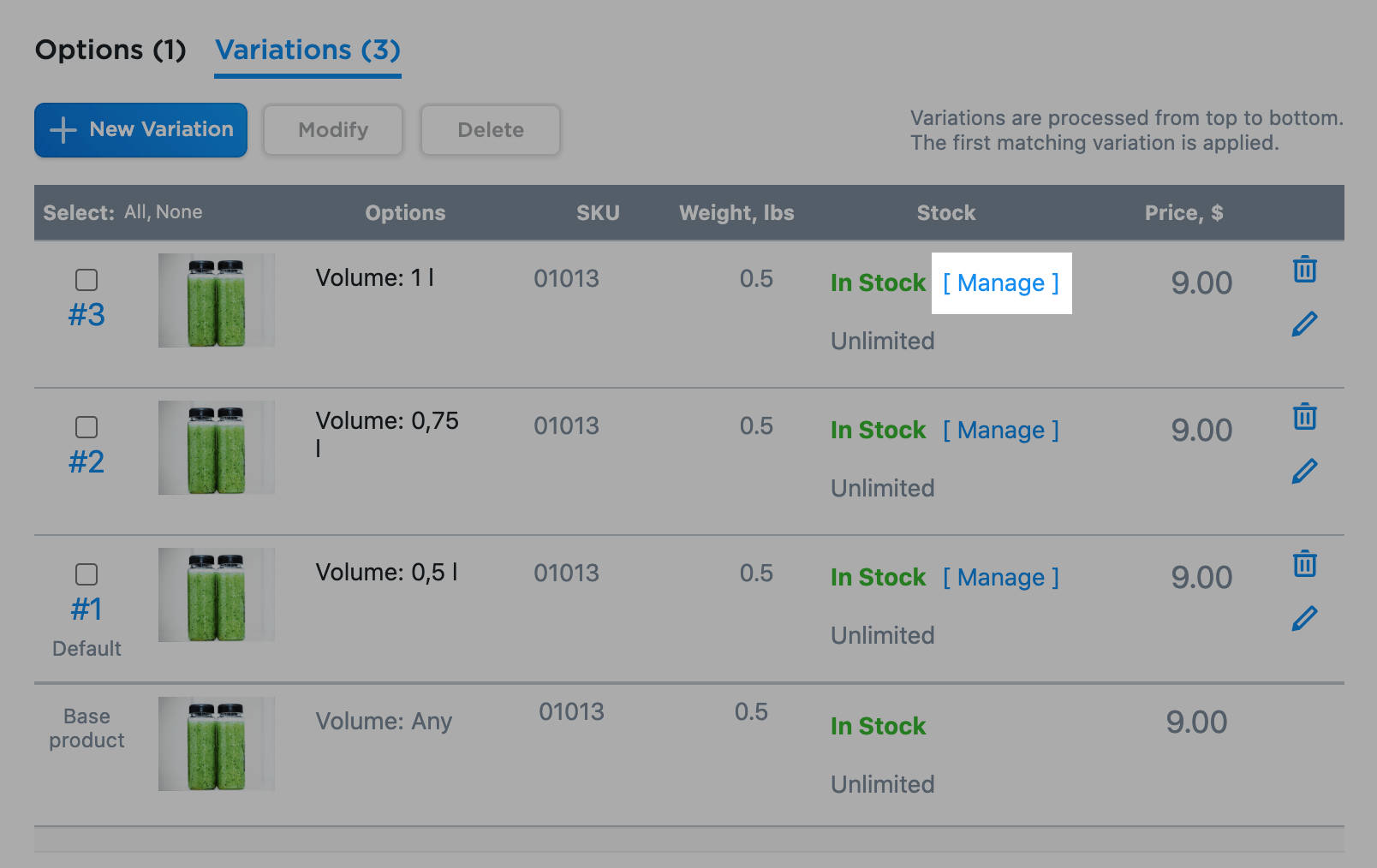
Price Per Unit
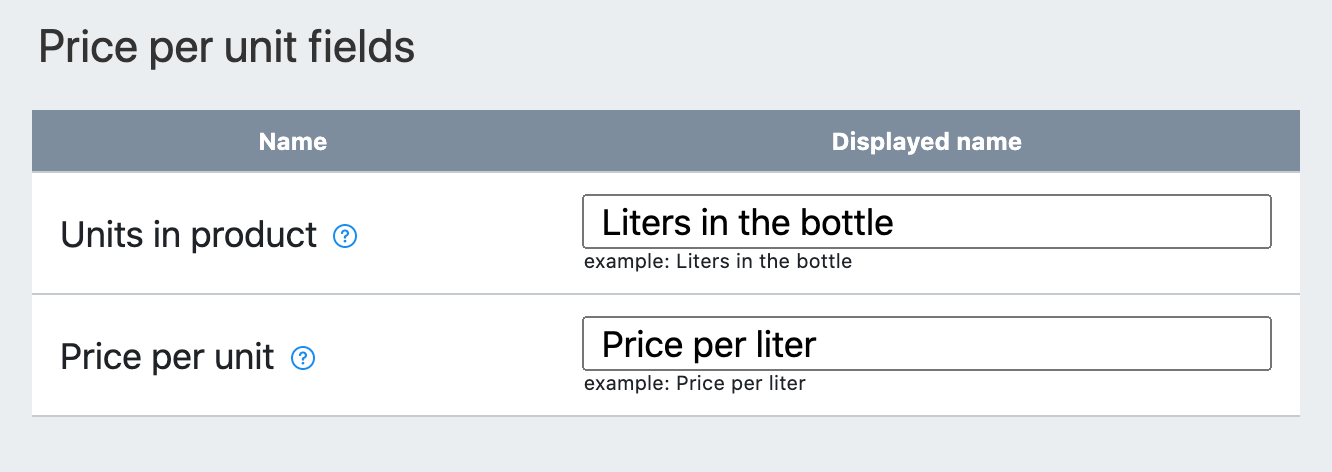
When evaluating the cost-effectiveness of products, understanding the price per unit is crucial. This metric allows consumers to compare the actual value of items regardless of package sizes or quantities. For instance, when shopping for groceries, one brand of pasta may appear cheaper at first glance, but when you break down the price per ounce, you might find that a larger package of a different brand offers a better deal. By focusing on the price per unit, shoppers can make informed decisions, ensuring they get the best value for their money. In this blog post, we will explore over 143 examples of how unit pricing can impact your purchasing decisions and help you save money in the long run.
 support.ecwid.com
 Effect Of η On The Expected Operating Cost Per Unit Time.
When analyzing the effect of η (efficiency) on the expected operating cost per unit time, it becomes clear that efficiency plays a crucial role in determining overall expenses. Higher efficiency (η) typically leads to lower energy consumption and reduced wear on machinery, which directly impacts the cost per unit produced. As η increases, the amount of energy required to produce each unit decreases, translating to lower utility bills and maintenance costs. Conversely, a lower η can result in higher operating costs due to increased energy usage and potential downtime for repairs. Therefore, optimizing efficiency not only enhances productivity but also significantly reduces the expected operating costs, making it a vital consideration for businesses looking to improve their bottom line.
 www.researchgate.net
 How To Calculate The Selling Price Per Unit: A Step-by-step Guide
Calculating the selling price per unit is essential for any business looking to maximize profits while remaining competitive. To determine the selling price per unit, follow this step-by-step guide. First, identify the total costs associated with producing your product, including materials, labor, and overhead expenses. Next, decide on your desired profit margin, which is typically expressed as a percentage of the total costs. Once you have these figures, add your total costs to the desired profit margin to find your selling price. Finally, divide the total selling price by the number of units you plan to sell to find the selling price per unit. By following these steps, you'll ensure that your pricing strategy is both profitable and aligned with market expectations.
 carreersupport.com
 Unit Price (definition, Formula)
Unit price is a crucial concept in both retail and economics, representing the cost of a single unit of a product or service, which allows consumers to compare prices more effectively. It is calculated by dividing the total price of the item by the quantity of units purchased, resulting in a straightforward formula: **Unit Price = Total Price / Quantity**. For example, if a 12-pack of soda costs $6, the unit price would be $0.50 per can. Understanding unit price helps shoppers make informed decisions, ensuring they get the best value for their money while also aiding businesses in pricing strategies.
 www.wallstreetmojo.com
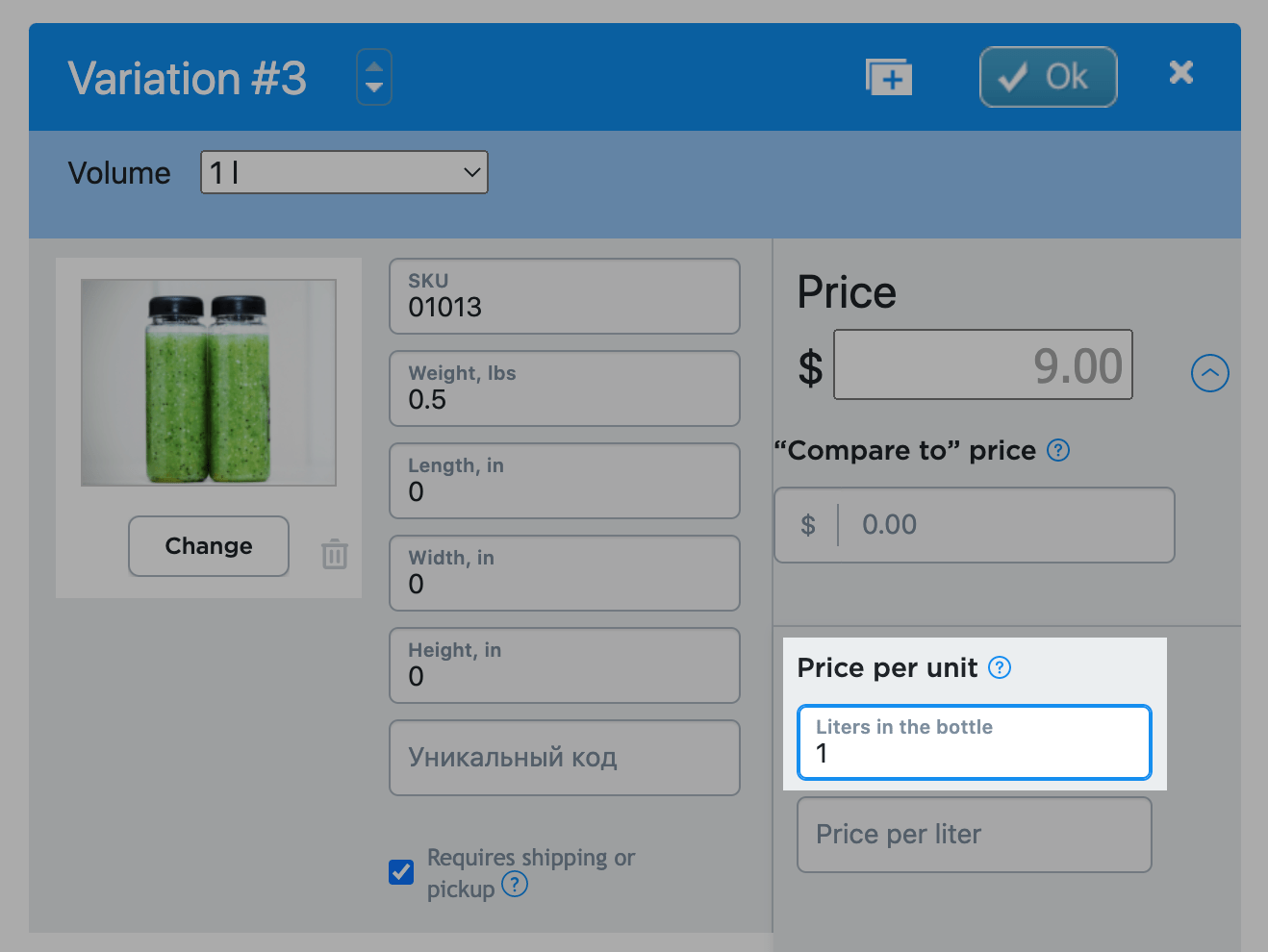
 Price Per Unit
When evaluating the cost-effectiveness of products, understanding the price per unit is crucial. This metric allows consumers to compare the actual value of items regardless of package sizes or quantities. For instance, when shopping for groceries, one brand of pasta may appear cheaper at first glance, but when you break down the price per ounce, you might find that a larger package of a different brand offers a better deal. By focusing on the price per unit, shoppers can make informed decisions, ensuring they get the best value for their money. In this blog post, we will explore over 143 examples of how unit pricing can impact your purchasing decisions and help you save money in the long run.
 support.ecwid.com
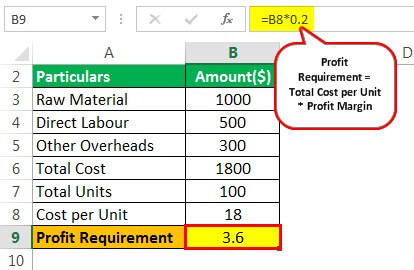
 Unit Price (definition, Formula)
Unit price is a crucial concept in both retail and economics, representing the cost of a single unit of a product or service, which allows consumers to compare prices more effectively. It is calculated by dividing the total price of the item by the quantity of units purchased, resulting in a straightforward formula: **Unit Price = Total Price / Quantity**. For example, if a 12-pack of soda costs $6, the unit price would be $0.50 per can. Understanding unit price helps shoppers make informed decisions, ensuring they get the best value for their money while also aiding businesses in pricing strategies.
 www.wallstreetmojo.com
 Perhitungan Kebutuhan Unit Dan Eoc
When it comes to understanding the intricacies of unit pricing, particularly in the context of "143+ E On Unit Price," it's essential to delve into the calculations involved in determining unit needs and EOC (Estimated Operating Costs). Perhitungan kebutuhan unit refers to the assessment of how many units are necessary for a specific project or operation, taking into account factors such as demand, supply chain logistics, and cost-efficiency. Meanwhile, EOC encompasses the ongoing expenses associated with operating those units, which can significantly impact overall profitability. By accurately calculating both unit requirements and EOC, businesses can ensure they make informed decisions that optimize their resources and enhance their financial performance. This meticulous approach not only aids in budgeting but also in strategic planning, making it a vital aspect of effective financial management.
 www.scribd.com
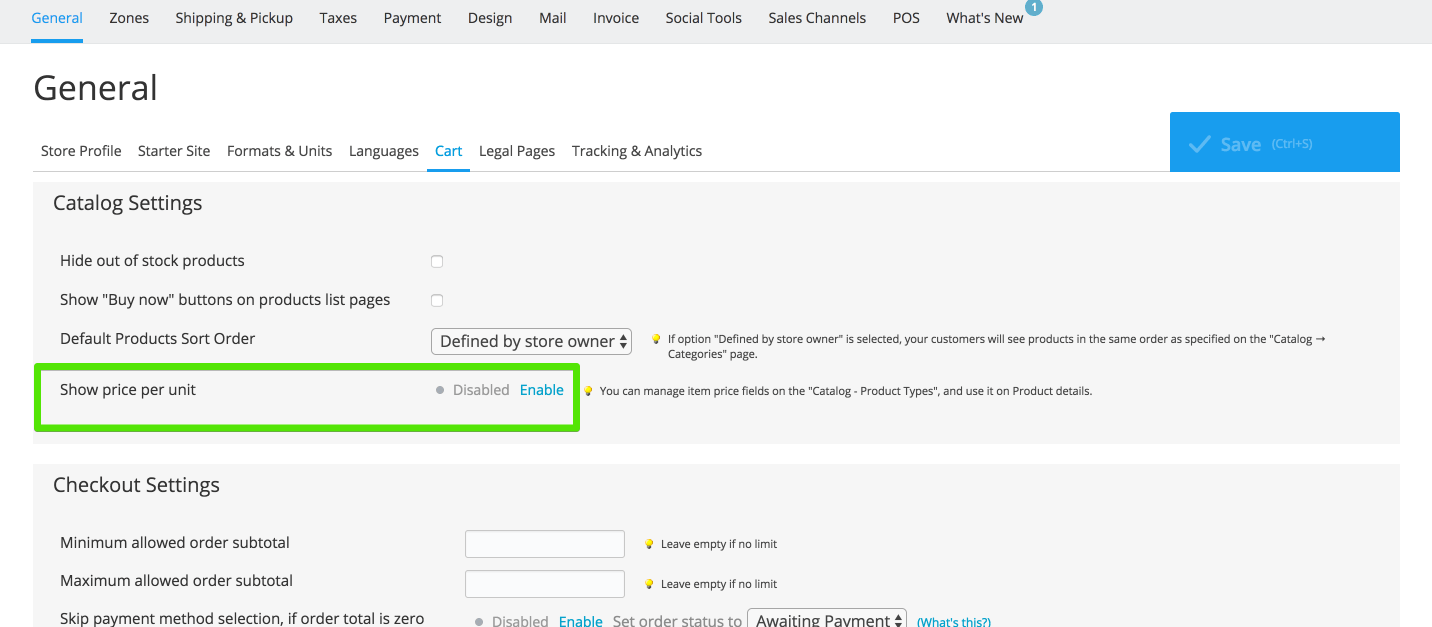
 Price Per Unit
When evaluating the cost-effectiveness of products, understanding the price per unit is crucial. This metric allows consumers to compare the actual value of items regardless of package sizes or quantities. For instance, when shopping for groceries, one brand of pasta may appear cheaper at first glance, but when you break down the price per ounce, you might find that a larger package of a different brand offers a better deal. By focusing on the price per unit, shoppers can make informed decisions, ensuring they get the best value for their money. In this blog post, we will explore over 143 examples of how unit pricing can impact your purchasing decisions and help you save money in the long run.
 support.ecwid.com
 Uom "unit Of Measure" Changed From Pc To Ea In E10 And Now Showing 1 Pc
In the latest update to E10, the unit of measure (UOM) has transitioned from "pc" to "ea," prompting some confusion among users. While "pc" traditionally referred to "piece," the shift to "ea" simplifies the terminology to "each," which is more universally recognized. However, some users may still see "1 pc" displayed in certain contexts, leading to a mix of terminology that can be puzzling. This change is part of a broader effort to streamline the user experience and enhance clarity in pricing and inventory management. As we explore the implications of this update in our blog post titled "143+ E On Unit Price," it's essential to understand how these adjustments can affect your operations and pricing strategies moving forward.
 www.epiusers.help
 Price Per Unit
You Might Also Like: Apuntes Historia De Espana 2
When evaluating the cost-effectiveness of products, understanding the price per unit is crucial. This metric allows consumers to compare the actual value of items regardless of package sizes or quantities. For instance, when shopping for groceries, one brand of pasta may appear cheaper at first glance, but when you break down the price per ounce, you might find that a larger package of a different brand offers a better deal. By focusing on the price per unit, shoppers can make informed decisions, ensuring they get the best value for their money. In this blog post, we will explore over 143 examples of how unit pricing can impact your purchasing decisions and help you save money in the long run.
 support.ecwid.com